
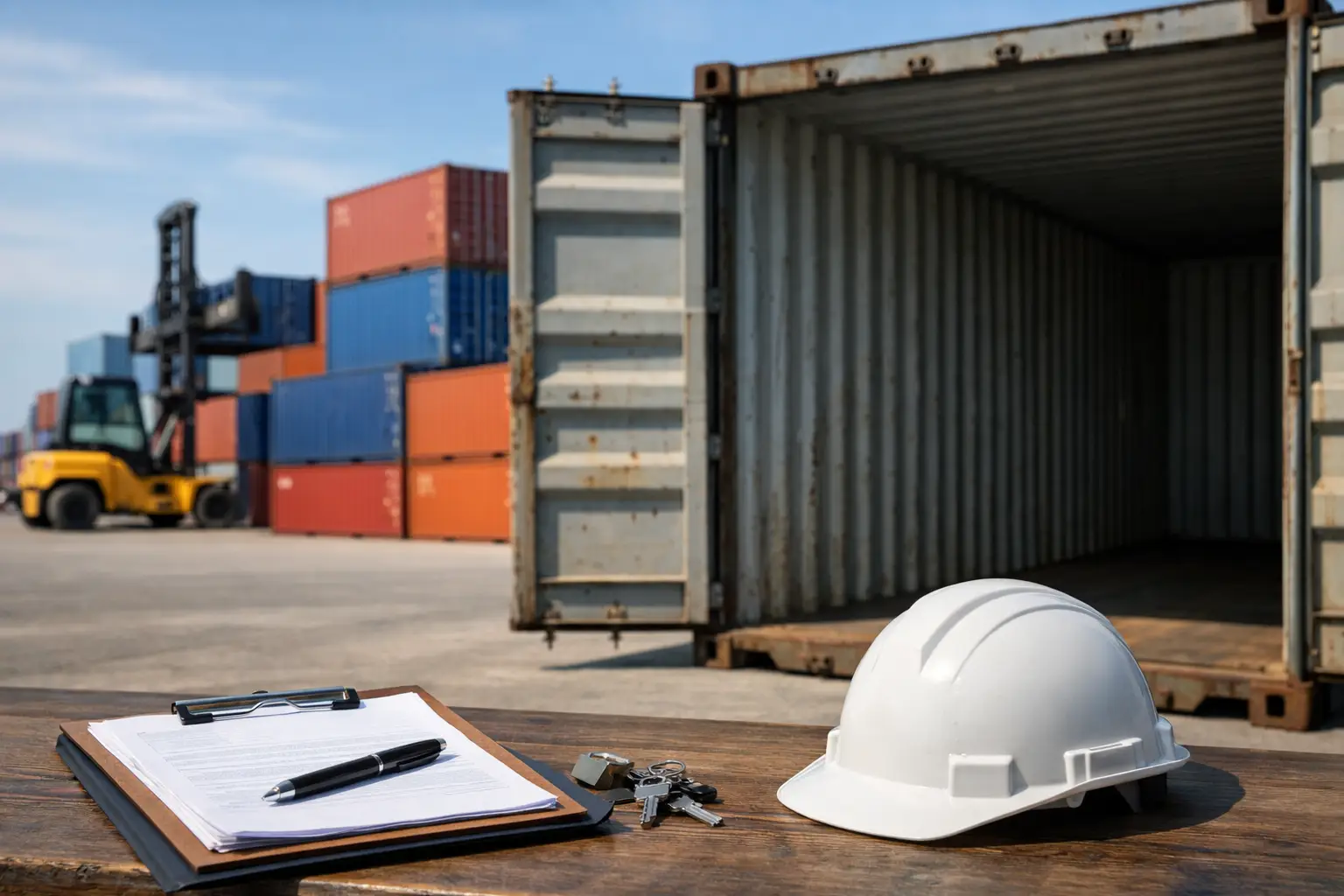
A container that looks like a simple steel box can solve a costly problem fast: unsecured tools on a job site, weather-damaged farm equipment, crowded business inventory, or no place to put a field office. The key is choosing from used shipping containers for sale based on the work the unit needs to do, not just the lowest advertised price.
Used containers are built to withstand ocean transport, repeated loading, and harsh weather. Once retired from international cargo service, they can provide years of dependable storage or become the foundation for a practical conversion. Condition, size, delivery access, and intended use all affect which unit makes sense for your property or project.
Why Buy a Used Shipping Container?
For many buyers, a used container delivers the best balance of price and utility. It has cosmetic wear from prior cargo service - dents, surface rust, patches, and shipping-line markings are normal - but the steel structure remains highly durable. A used unit is often an efficient choice when appearance is secondary to secure, weather-resistant storage.
That does not mean every used container is the same. Some are suitable for basic on-site storage, while others meet cargo-worthy standards for international transport. A container intended for shipping freight overseas needs a valid inspection and certification process. A container for storing landscaping equipment, construction materials, or household belongings may not require that level of certification.
The right question is not simply, “Is it used?” It is, “Is it suitable for my application?” A dependable supplier can help match the condition grade to the job so you are not paying for features you do not need or accepting a unit that falls short.
Used Shipping Containers for Sale by Size
Container dimensions determine far more than storage volume. They influence where the unit can sit, what delivery equipment is required, whether it can pass through a gate, and how easily you can load it.
10-Foot Containers
A 10-foot container is a practical option where space is limited. Homeowners may use one for yard equipment, renovation materials, motorcycles, or seasonal storage. Contractors can place one close to a work area without sacrificing as much site space as a larger unit.
Its compact footprint is useful, but capacity is limited. If you expect to store long materials, pallets, or equipment that needs room to maneuver, a 20-foot unit may prevent an early upgrade.
20-Foot Containers
The 20-foot container is one of the most versatile choices for residential and commercial buyers. It provides substantial secure storage without the full site commitment of a 40-foot unit. It works well for tools, job-site supplies, agricultural equipment, retail overflow, and equipment staging.
For many properties, this size offers a manageable balance between interior space and placement flexibility. It is also a common starting point for office, workshop, and specialty conversion projects.
40-Foot and High-Cube Containers
A 40-foot container makes sense when volume matters. Construction teams can keep more materials on site, farms can protect larger equipment and supplies, and businesses can use one unit for inventory rather than managing multiple smaller spaces. The trade-off is delivery and placement. A 40-foot unit requires more clearance, a longer approach, and a site that can support the equipment used to unload it.
High-cube containers provide approximately one additional foot of interior height compared with standard units. That extra vertical space is valuable for shelving, tall equipment, workshop layouts, office ceilings, and container home designs. If you are planning a conversion, high-cube models often create a more comfortable finished space.
Condition Matters More Than Paint Color
Used containers can be structurally sound while still showing obvious signs of service. Understanding common condition terms helps buyers set realistic expectations.
A wind and watertight container is generally suited for secure storage. Its doors should close and seal properly, and the roof and walls should protect contents from normal weather. It may have dents, surface corrosion, repaired areas, or a worn exterior finish. For job sites, farms, and general storage, this is often the most cost-effective option.
Cargo-worthy containers are typically selected when freight will be transported internationally. Their condition must meet standards required for ocean shipping, which can make them a better fit for transport needs but not always a necessary expense for stationary storage.
One-trip containers are not used in the same way as standard used units. They have generally made a single loaded journey from the factory and are often chosen for buyers who want a cleaner appearance, fewer repairs, or a strong starting point for a visible conversion. They cost more, so the value depends on your purpose.
Before purchasing, ask about door operation, floor condition, roof integrity, visible corrosion, prior repairs, and whether the container is appropriate for your intended use. Photos are helpful, but a clear condition description is just as important because inventory changes by location.
Plan for Delivery Before You Buy
A container is only useful if it can be delivered safely to its final location. Delivery planning should happen before the order is placed, especially for 40-foot units and difficult sites.
The delivery route needs adequate road access, turning room, overhead clearance, and a stable approach. Low tree branches, power lines, narrow driveways, soft ground, and tight gate openings can create avoidable problems. The delivery area should be reasonably level and firm enough for the truck and unloading process.
Think about door orientation as well. Containers can be positioned with doors facing a driveway, work zone, aisle, or building entrance depending on the site. If the container will be loaded frequently, door placement can affect daily efficiency for years.
A prepared base helps protect the unit and keeps doors operating correctly. Many buyers use compacted gravel, concrete pads, railroad ties, or properly placed concrete blocks. The goal is stable, level support at the container’s corner castings while allowing drainage underneath. Avoid placing a container directly on wet, uneven soil where it can settle over time.
Nationwide delivery makes ownership possible in areas without a nearby container depot, but the exact delivery method and access requirements should be confirmed as part of the quote process.
Decide Whether You Need Modifications Now
A used container can remain a straightforward storage unit, or it can become a functional workspace, facility, or specialized structure. Planning modifications early can save time and reduce the need to move the container later.
Common upgrades include lockboxes, personnel doors, windows, vents, electrical packages, lighting, insulation, shelving, roll-up doors, and paint. A lockbox protects the container’s padlock from bolt cutters and is a smart addition for tools, materials, or valuable equipment stored in isolated locations.
For business and job-site use, a container office can include doors, windows, electrical service, insulation, HVAC, and finished interiors. Farms and property owners may prefer a workshop layout with ventilation, workbenches, and wide-access doors. Other projects call for custom container pools, welfare units, refrigerated reefer containers, or modular residential spaces.
Reefer units deserve special consideration. They are designed for temperature-controlled applications and can be valuable for food, floral products, pharmaceuticals, events, and cold storage. However, they require appropriate power and should be chosen based on the needed temperature range, operating plan, and site utilities. A standard dry container is usually the better value if insulation and refrigeration are not necessary.
Compare the Full Cost, Not Just the Container Price
The purchase price is one part of the project. Delivery, site preparation, modifications, taxes, and any required permits can affect the total investment. A lower-priced container may not be the better buy if it requires significant repairs, cannot be delivered efficiently, or does not fit the intended application.
Financing can be useful when a container purchase is tied to a larger buildout, business expansion, or multiple-unit order. It allows buyers to preserve working capital while getting storage, office space, or specialized facilities in place sooner. Outback Shipping Containers provides new, used, and custom options with nationwide delivery and financing available, helping buyers coordinate the practical parts of the purchase through one source.
For first-time buyers, it is also worth checking local rules before delivery. Some municipalities, HOAs, and commercial properties regulate placement, screening, setbacks, or permit requirements. Rural locations may have more flexibility, but verification is still worthwhile.
The best used container is the one that fits your site, protects what you store, and leaves room for how your needs may change. Start with the job it needs to perform, prepare the delivery area, and choose condition and upgrades accordingly. That approach turns a retired cargo container into dependable working space from the day it arrives.