
Table of Contents
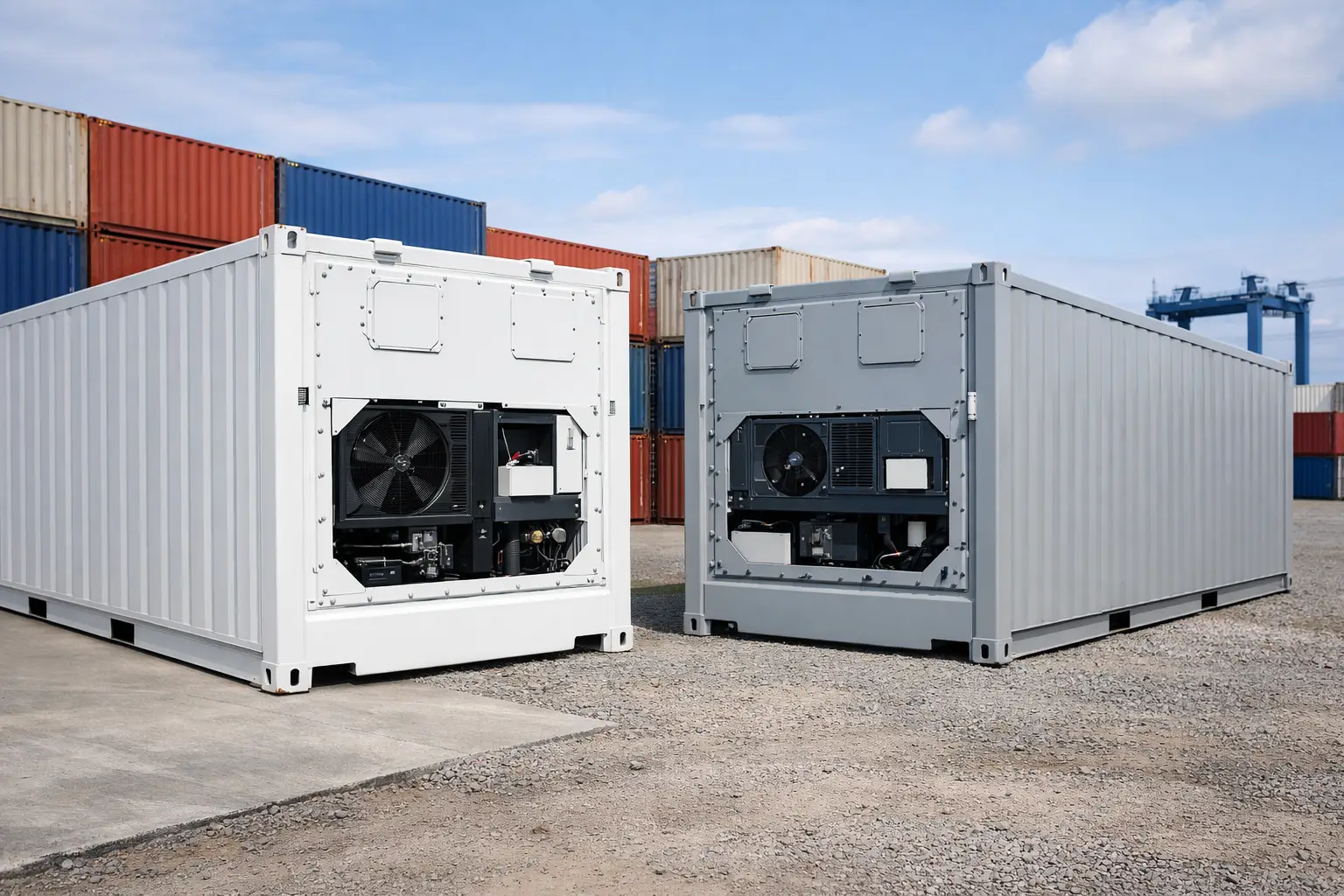
A reefer container is not simply a shipping container with cold air inside. It is a self-contained refrigerated unit designed to hold a set temperature while protecting products from weather, pests, and unauthorized access. For a farm storing harvest, a restaurant expanding cold inventory, a seafood operation, or a contractor managing temperature-sensitive materials, reefer shipping containers for sale can provide a practical on-site cold storage solution without constructing a permanent walk-in facility.
The right unit depends on more than length. Before buying, consider what will go inside, how often the doors will open, where the container will sit, and what electrical service is available at the site. Those details determine whether a 20-foot or 40-foot reefer makes better operational sense, and whether a new or used unit fits the job.
Where Reefer Shipping Containers for Sale Fit
Reefer containers are built for temperature-controlled cargo, but their uses extend well beyond port-to-port shipping. Many buyers use them as stationary cold rooms at farms, processing areas, warehouses, event venues, commercial kitchens, and distribution yards. Their steel exterior makes them suitable for demanding environments where ordinary refrigeration equipment may not offer the same level of security or mobility.
For agricultural operations, a reefer can help preserve produce, flowers, dairy products, feed additives, or other goods that require stable storage conditions before pickup or distribution. Food businesses may use one for overflow inventory, seasonal demand, catering preparation, or receiving deliveries when interior cooler space is limited. Hunting operations, fisheries, florists, breweries, and specialty manufacturers can also benefit from dedicated refrigerated capacity close to the work area.
A reefer is also useful when a business needs flexibility. Unlike a built-in cooler, a container can be positioned at a job site, rural property, loading area, or expansion location and moved when operational needs change. That does not mean every site is equally simple. Access for delivery, a level placement area, and appropriate power planning should be considered before purchase.
Start With the Product and Temperature Requirement
The first buying question is straightforward: what are you storing? Refrigerated containers can support chilled or frozen storage applications, but the required operating range and performance expectations should be matched to the product. Food safety procedures, packaging, loading practices, and temperature monitoring remain the buyer's responsibility.
A reefer works best when it is loaded with products already close to the desired temperature. It is designed to maintain controlled conditions, not to rapidly pull down the temperature of a large volume of warm product. Repeated door openings, poor pallet spacing, and overpacking can also make it harder for air to circulate properly.
Think through your daily workflow. If employees will enter the unit throughout the day, the door will be opened more often and recovery time matters. If inventory arrives on pallets, confirm that the container size and door opening work with your handling equipment. If the reefer will hold a small number of high-value goods, a smaller unit may be easier to organize and more efficient to operate than a largely empty 40-foot container.
Choose the Right Reefer Container Size
The most common options are 20-foot and 40-foot reefer containers. A 20-foot reefer is often a strong fit for businesses with limited space, lower inventory volume, or a need to separate one temperature-sensitive product line from the rest of their storage. It can be a practical choice for farms, small food operations, and properties where maneuvering room is tight.
A 40-foot reefer provides substantially more storage capacity and may make sense for larger harvests, wholesale inventory, distribution operations, or businesses that need room for palletized goods. The extra capacity is valuable only if your product volume, loading pattern, and site access support it. A larger container needs more placement space and can be more difficult to position in a constrained yard.
Internal dimensions vary by container design, insulation system, and refrigeration equipment, so do not select a unit based solely on its exterior length. Ask about the actual usable interior space, door dimensions, flooring configuration, and the condition of the refrigeration machinery. If your inventory depends on specific racking, pallet sizes, or carts, plan around those measurements before arranging delivery.
Standard height or high cube
High-cube reefer options may offer additional vertical clearance, which can help when stacking product, using taller carts, or improving access for staff. The trade-off is that added height can affect delivery access and placement planning. For many buyers, the decision comes down to how the container will be loaded rather than how much volume looks good on paper. reefer shipping containers
New Versus Used Reefer Containers
Both new and used refrigerated containers have a place in the market. A new unit can be the right choice when appearance, expected service life, updated equipment, or a clean starting point is central to the project. It may also suit operations that want a container configured around a specific storage plan from the beginning. reefer shipping containers
Used reefer containers can be a sensible option for buyers focused on practical cold storage and available budget. However, a reefer should be evaluated as both a container and a piece of refrigeration equipment. Exterior wear, interior condition, door seals, floor condition, control functions, and machinery performance all matter. A unit that looks acceptable from the outside may still require a closer review of its operating components. reefer shipping containers
Condition should be discussed in relation to your intended use. A unit used for protected storage of packaged goods may have different requirements than one supporting a food operation with strict internal handling standards. Be clear about the application when requesting a quote so the recommended container aligns with the job. reefer shipping containers
Plan for Power Before Delivery
Reefer containers require electrical power to operate their refrigeration systems. This is one of the biggest differences between buying a standard dry container and buying a refrigerated unit. The required connection depends on the particular unit, so confirm voltage, phase, plug type, and electrical demand before the container arrives. reefer shipping containers
A qualified electrician can help determine whether your existing service is appropriate and what connection work may be needed. Do not assume that power available for tools, lighting, or a standard building outlet will automatically support a reefer. If the container will be used at a remote property or temporary work location, power availability needs to be part of the purchase decision from the start. reefer shipping containers
You should also plan how you will monitor the unit. Some operations need frequent temperature checks, while others may benefit from alerts or documented records as part of their own inventory procedures. The appropriate approach depends on the product, how long it is stored, and the cost of a temperature interruption. reefer shipping containers
Prepare the Site for a Working Reefer
A reefer needs a stable, accessible placement area with enough clearance for delivery equipment and door operation. The ground should be reasonably level and capable of supporting the loaded container. Good drainage is also worth considering, especially at agricultural properties, loading yards, and areas that see frequent rain. reefer shipping containers
Airflow around the refrigeration machinery should not be blocked. Leave room for service access and avoid placing the container where exhaust, heat, debris, or standing water can create operating issues. If the doors face a loading area, make sure there is enough room for pallets, carts, forklifts, or staff to work safely. reefer shipping containers
Delivery planning should begin before you finalize the order. Share the site address, access conditions, gate widths, overhead obstacles, turning space, and intended placement location. Outback Shipping Containers provides nationwide delivery, with coordinated transport available across the contiguous United States and arranged shipping options for Alaska, Hawaii, and Puerto Rico. reefer shipping containers
Consider Custom Features When the Workflow Calls for Them
Some buyers need a standard reefer ready for storage. Others need a unit adapted to a specific operation. Interior organization, access needs, lighting, shelving, partitioning, and exterior modifications may improve how a container functions day to day. A refrigerated container conversion should be planned carefully so changes do not interfere with insulation, refrigeration components, drainage, or access for maintenance. reefer shipping containers
For example, a farm may need an organized receiving and storage layout, while a food business may prioritize fast access to separated inventory. A contractor may need temperature-controlled storage combined with secure access at a job site. The best configuration is usually the one that reduces handling time and protects the product without adding features that will not be used.
Financing availability can also help buyers evaluate a larger purchase or a customized project without treating upfront capital as the only deciding factor. Requesting a quote with your size, condition preference, location, product type, and power details gives the sales team a useful starting point. reefer shipping containers
The right reefer container earns its place by making storage more controlled, accessible, and workable for the people using it every day. Define the workflow first, then select the container that supports it. reefer shipping containers