
Table of Contents
A 20 foot shipping container for sale can solve a lot of problems without taking over your property or job site. It is large enough for equipment, inventory, tools, materials, or a compact conversion project, yet short enough to fit where a 40-foot unit may be impractical. For contractors, farmers, business owners, and homeowners, that balance is exactly why the 20-foot size remains one of the most requested container options.
The right unit is not simply the first available container. Condition, intended use, door operation, delivery access, and any planned modifications all affect what you should buy. Starting with the job the container needs to do will help you make a cleaner purchase decision.
Why Choose a 20 Foot Shipping Container for Sale?
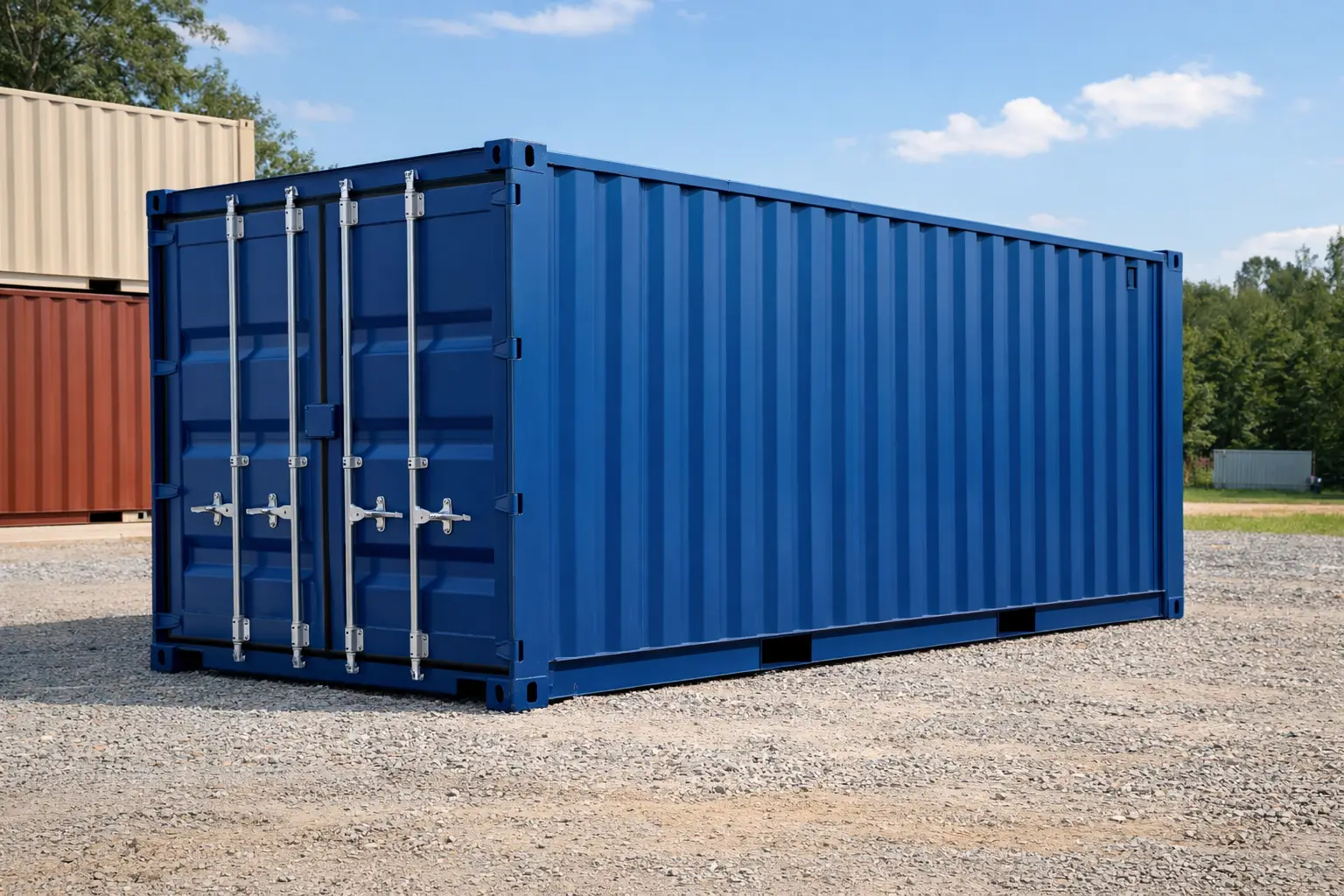
A standard 20-foot container is typically about 20 feet long, 8 feet wide, and 8 feet 6 inches high externally. That footprint provides approximately 160 square feet of ground space and a practical amount of enclosed storage without requiring the long, open run needed for a 40-foot container.
For a construction crew, it can hold tools, generators, fasteners, supplies, and smaller machinery close to the work area. On a farm or ranch, it can protect feed-related supplies, fencing materials, seasonal equipment, and repair parts. A retailer or service business may use one for backstock, records, promotional materials, or maintenance inventory.
The 20-foot format also works well as a base for custom projects. It has enough interior room for a small office, guard station, workshop, welfare unit, or specialty storage build. If interior headroom is a priority, a 20-foot high-cube container adds extra vertical space. That can make a meaningful difference for shelving, insulation, electrical runs, or an occupied conversion.
Its smaller size is an advantage, but it is not always the best answer. A 10-foot container may be better for a tight residential property or a small storage need. A 40-foot unit may offer better overall capacity for large inventory, long materials, or a bigger conversion. The best size depends on how much you need to store now, how often you need access, and whether the container may take on a new role later.
New, Used, and Custom Container Options
Container condition should match the work, not just the budget. New or one-trip containers are often chosen when appearance, cleaner interiors, and longer-term ownership are priorities. They can be a strong fit for customer-facing business locations, new developments, high-visibility properties, and conversion projects where the exterior will remain largely unchanged.
Used containers are a practical option for many storage and operational needs. They may show cosmetic wear from cargo service, including dents, surface rust, patches, and paint variation. That does not automatically make a used unit the wrong choice. For a remote job site, agricultural storage area, or industrial yard, appearance may matter less than having durable enclosed space at the location where work happens.
A custom-built container makes sense when standard cargo doors and an empty steel interior will not do the job. Common modifications include personnel doors, windows, roll-up doors, lockboxes, ventilation, insulation, electrical packages, interior finishes, shelving, and climate-control components. The right level of customization depends on whether the unit is simply storing materials or functioning as usable workspace.
Plan modifications before ordering whenever possible. Adding a side door changes how you load materials. Adding windows affects wall space for shelving. Insulation and interior walls reduce usable interior dimensions. A clear layout early in the process helps ensure the finished container supports how people will actually use it.
Match the Container to the Work
A shipping container is most useful when its access and layout suit the material inside it. Standard cargo doors at one end work well for palletized goods, boxed inventory, and equipment loaded from the rear. If workers need to enter throughout the day, a personnel door can be more convenient than opening the full cargo doors repeatedly.
Think through the largest item that must pass through the opening, not only the total storage volume. Long pipe, lumber, racks, and machinery may require different loading approaches than cartons or hand tools. If materials need to be reached often, leave an aisle rather than packing the container wall to wall. 20 foot shipping container
For a container office or welfare unit, consider daily comfort and workflow. A basic empty container is very different from a space intended for desks, staff breaks, site supervision, or secure records. Electrical needs, lighting, ventilation, insulation, entry points, and interior partitions should be part of the original conversation.
Refrigerated reefer containers serve another purpose entirely. They are designed for temperature-controlled storage applications, but the right unit and setup depend on the product being stored and the operating environment. If your requirement involves food, beverages, floral inventory, pharmaceuticals, or other temperature-sensitive materials, explain the intended use clearly when requesting a quote. 20 foot shipping container
Delivery Access Can Shape Your Purchase
Before you purchase, walk the route from the road to the final placement area. Delivery equipment needs a safe approach, enough turning room, and clear overhead space. Low branches, narrow gates, soft ground, steep slopes, utility lines, and parked vehicles can all affect delivery planning. 20 foot shipping container
Prepare a level, stable placement area appropriate for the container and its contents. The container should not sit where water regularly collects or where doors may become difficult to operate. If the site is a job site, coordinate with the project manager so the container is placed where it improves operations rather than blocking traffic, staging areas, or future work. 20 foot shipping container
A container does not need to be placed directly beside the road, but increased distance and difficult access can change the delivery plan. Photos of the entrance, travel path, and intended location are useful when discussing delivery. Clear information up front helps identify the most practical approach before the container is dispatched. 20 foot shipping container
Outback Shipping Containers coordinates nationwide delivery across the contiguous United States, with transport arrangements available for Alaska, Hawaii, and Puerto Rico. Every delivery should be planned around the actual site conditions. 20 foot shipping container
Questions to Ask Before You Request a Quote
A useful quote request gives the supplier enough detail to recommend the right unit rather than just a generic container. Start with the delivery city or ZIP code, the container size you want, and whether you prefer new, used, high-cube, reefer, or custom-built options. 20 foot shipping container
Then explain the intended use. A request for equipment storage is different from a request for a job-site office, workshop, or pool conversion. Mention any needed additions, such as a personnel door, windows, electrical work, shelving, insulation, or ventilation. If access is tight, say so early. 20 foot shipping container
It also helps to ask about the container's condition, exterior appearance expectations, door function, and available modification options. If you are comparing a 20-foot unit with a larger size, ask which choice better fits the material you plan to store and the space you have available. Financing may be available for qualified purchases, which can be worth discussing when a conversion or multi-container project is part of the plan. 20 foot shipping container
Get More Value From a 20-Foot Container
The most economical container is not always the least expensive unit at the start. It is the one that fits the property, protects what matters, and remains useful as your needs change. A 20-foot container that is easy to access and properly configured can serve a business or property for years. 20 foot shipping container
If you are unsure whether you need a standard unit, high-cube model, reefer, or custom conversion, begin with the items or activities the container must support. Measure the space, consider delivery access, and describe the end use clearly. That practical information is the fastest way to select a container that works from day one and still has room to work harder later. 20 foot shipping container